A specialized examination technique that uses a magnifying device to closely evaluate the cervix, vagina, and vulva, helping detect abnormal tissue changes and supporting early diagnosis of cervical...
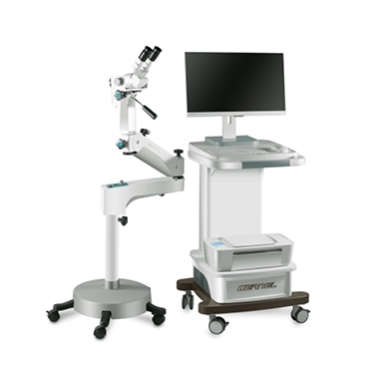
Colposcopy
Colposcopy is a diagnostic procedure used to examine the cervix, vagina, and vulva in detail using a specialized magnifying instrument called a colposcope. It is commonly recommended following abnormal cervical screening results to identify suspicious tissue changes and determine whether a biopsy is necessary.
When Is Colposcopy Recommended?
Colposcopy may be recommended in the following situations:
- Abnormal cervical cytology (Pap smear) results
- Positive high-risk HPV test results, particularly HPV types 16 and 18
- Evaluation of suspicious lesions of the cervix, vagina, or vulva
- Assessment of precancerous changes in the cervical, vaginal, or vulvar tissues
- Persistent vulvar symptoms, such as chronic itching
- Follow-up of abnormal cervical screening findings
- Evaluation before selected cervical procedures, when clinically indicated
Colposcopy may also be performed during pregnancy when medically appropriate. The decision to perform the procedure is made by the treating gynecologist based on the patient's clinical findings.
Preparing for Colposcopy
To ensure optimal visualization during the examination, patients are generally advised to:
- Schedule the examination outside the menstrual period, if possible
- Avoid sexual intercourse for 24–48 hours before the procedure
- Avoid using tampons for 24–48 hours before the examination
- Avoid vaginal medications unless otherwise instructed by the physician
- Refrain from vaginal douching before the procedure
A simple pain reliever may be taken before the examination if recommended by the physician.
How Is Colposcopy Performed?
Colposcopy is an outpatient procedure performed in a clinical setting. During the examination:
- The patient lies in the same position as for a routine pelvic examination.
- A speculum is gently inserted into the vagina to visualize the cervix.
- Special solutions may be applied to the cervix to highlight abnormal tissue areas.
- The colposcope remains outside the body and does not enter the vagina.
- The physician examines the cervix, vagina, and vulva under magnification.
- If suspicious areas are identified, one or more tissue samples (biopsies) may be collected for pathological examination.
The examination typically takes 5–15 minutes, although additional time may be required if biopsies are performed.
Colposcopic Biopsy
If abnormal tissue is identified, a colposcopic biopsy may be performed using specialized biopsy instruments. One or more tissue samples may be collected depending on the findings.
The samples are sent for histopathological examination to establish a definitive diagnosis and determine whether further treatment is necessary. Results are generally available within several days, depending on laboratory processing times.
After the Procedure
If no biopsy is performed, patients can usually resume their normal daily activities immediately. Following a biopsy, mild spotting, light bleeding, or vaginal discharge may occur for a few days.
Patients are generally advised to:
- Avoid sexual intercourse for several days or as directed by their physician.
- Follow the post-procedure instructions provided by their healthcare team.
- Contact their physician if they experience heavy bleeding, fever, severe pelvic pain, foul-smelling vaginal discharge, or other concerning symptoms.
Is Colposcopy Painful?
Colposcopy is generally well tolerated. Since the colposcope remains outside the body, it does not cause direct discomfort. Some patients may experience mild pressure from the speculum or temporary stinging when special solutions are applied to the cervix.
If a biopsy is performed, mild cramping or brief discomfort may occur. Local anesthesia may be used for biopsies involving the lower vagina or vulva when appropriate.
Safety
Colposcopy is considered a safe diagnostic procedure and may be repeated when clinically necessary. Complications are uncommon but may include minor bleeding, infection, or temporary discomfort following a biopsy.
LEEP (Loop Electrosurgical Excision Procedure)
LEEP is a treatment procedure used to remove abnormal cervical tissue when biopsy results indicate precancerous changes requiring excision.
During the procedure, a thin electrically heated wire loop is used to remove the affected tissue from the cervix. The excised specimen is sent for histopathological examination to determine the extent of the abnormality, assess treatment adequacy, and guide further management and follow-up.
LEEP is generally performed under local anesthesia, although the anesthesia approach may vary depending on the patient's clinical condition and the physician's assessment.



