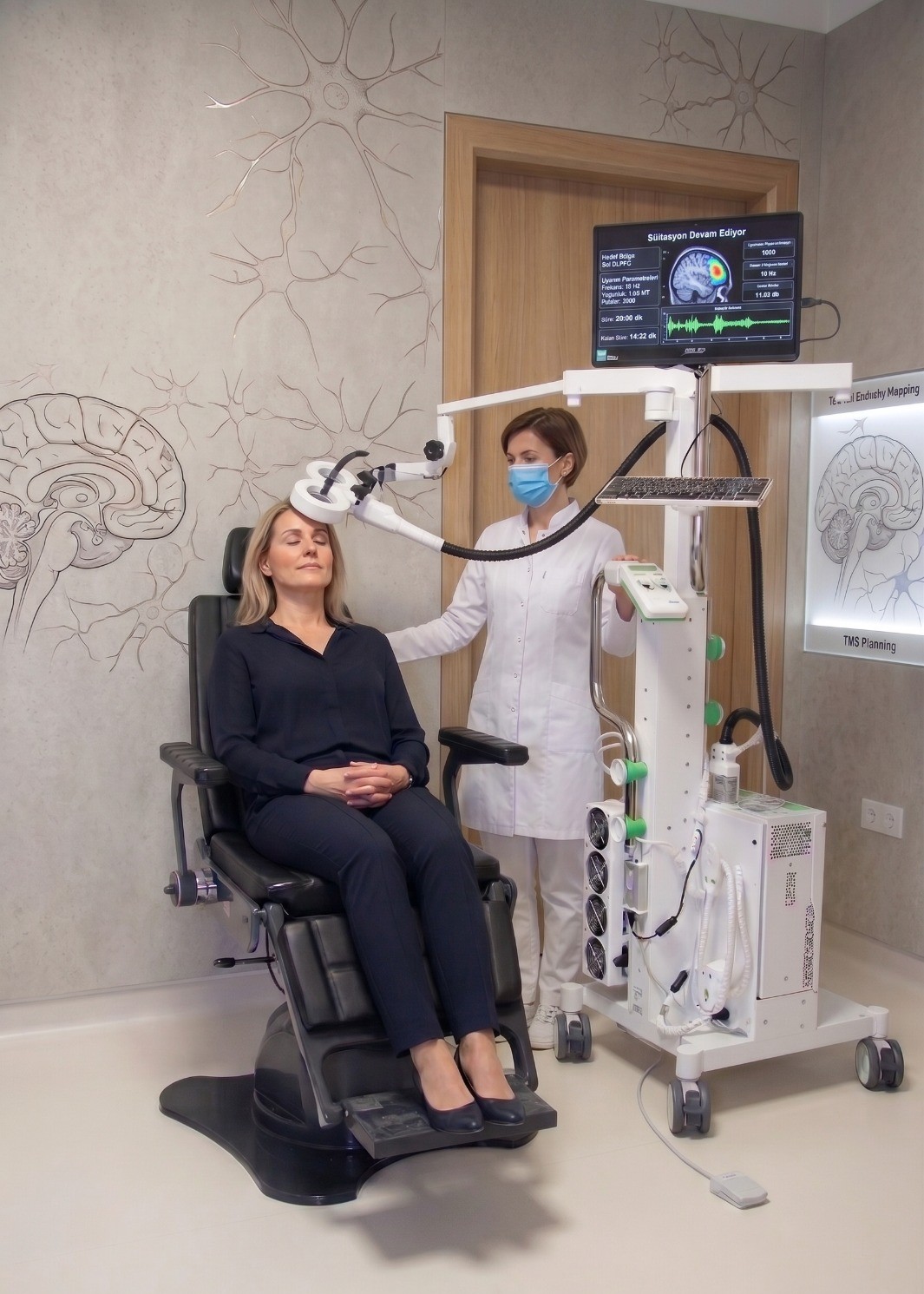
Transcranial Magnetic Stimulation (TMS)
Transcranial Magnetic Stimulation (TMS) is a non-invasive treatment method that uses magnetic fields to stimulate specific areas of the brain. It does not require surgery or general anesthesia and may be considered as part of the treatment plan for selected neurological and psychiatric conditions in accordance with current clinical guidelines.
Clinical Applications
TMS may be recommended by a specialist physician for appropriate patients with certain psychiatric and neurological disorders. It is most commonly used in the treatment of major depressive disorder in selected patients when clinically indicated.
Research has also investigated the potential use of TMS in other conditions, including:
- Migraine
- Chronic pain disorders
- Neurological rehabilitation
The suitability of TMS therapy depends on the patient's diagnosis, medical history, and individual clinical assessment.
Individualized Treatment Planning
Each patient undergoes a comprehensive evaluation by the relevant specialist before treatment is recommended. The treatment protocol, including the target brain region, stimulation parameters, number of sessions, and treatment duration, is individualized according to the patient's clinical condition and therapeutic goals.
FDA-Cleared Technology
The TMS system used at our hospital incorporates technology that has received clearance from the U.S. Food and Drug Administration (FDA) for certain clinical indications. The decision to use TMS is made by the treating physician in accordance with cleared indications, current scientific evidence, and individual patient needs.
Treatment Process
TMS sessions are performed on an outpatient basis and do not require anesthesia. During treatment, a magnetic coil is positioned over the patient's scalp to deliver targeted magnetic pulses to specific areas of the brain.
Patients can generally resume their normal daily activities immediately after each session. The number and frequency of treatment sessions vary depending on the patient's diagnosis, clinical response, and the treatment plan established by the specialist physician.
Specialist Care
All TMS treatments are planned and supervised by qualified specialist physicians. Detailed information regarding treatment suitability, expected outcomes, and the treatment process is provided following an individual clinical consultation.



