The GE Lunar DXA bone densitometry system is a modern imaging technique used to measure bone mineral density (BMD). The examination assists physicians in assessing bone health and is particularly...
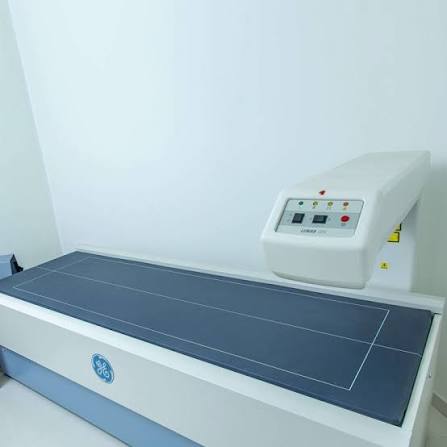
GE Lunar DXA Bone Densitometry System
The GE Lunar DXA Bone Densitometry System is an advanced imaging system used to measure bone mineral density (BMD) and evaluate bone health. It assists physicians in the diagnosis and monitoring of osteoporosis and other metabolic bone disorders by providing precise measurements of bone density.
When Is Bone Densitometry Recommended?
Bone densitometry may be recommended by a physician in the following situations:
- Adults aged 65 years and older
- Individuals with risk factors for osteoporosis
- Patients with a family history of osteoporosis or fragility fractures
- Individuals requiring assessment or monitoring of bone health when clinically indicated
The decision to perform a bone density examination is made by the treating physician based on the patient's medical history, clinical findings, and individual risk factors.
How Is the Examination Performed?
Bone densitometry is a quick, non-invasive imaging procedure that uses a significantly lower dose of ionizing radiation than conventional X-ray examinations. During the scan, the patient lies comfortably on the examination table while bone density measurements are typically obtained from the lumbar spine and hip, which are the primary sites evaluated for osteoporosis.
Technical Features
- Bone mineral density measurement using DXA technology
- Assessment of the lumbar spine and hip
- Whole-body bone density assessment when indicated
- High-resolution imaging with a direct digital detector system
- Direct conversion of X-rays into electronic signals for image acquisition
- High measurement accuracy and precision
Clinical Evaluation
Bone mineral density results are interpreted by the specialist physician in conjunction with the patient's medical history, physical examination, and other relevant clinical findings. The results support the assessment of bone health, osteoporosis risk, and treatment follow-up when necessary.



