Ultra Pro EMG System is an advanced electromyography technology used to evaluate nerve and muscle function, helping diagnose neuromuscular disorders and providing accurate information for treatment...
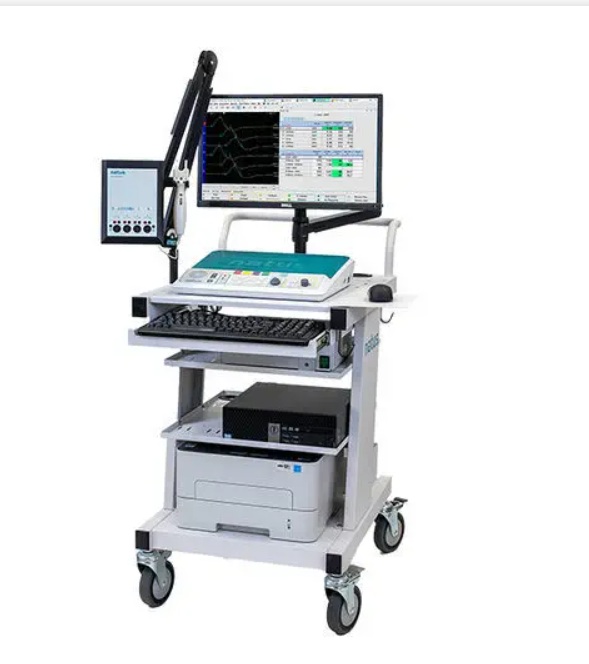
Electromyography (EMG)
Electromyography (EMG) is a diagnostic procedure used to evaluate the electrical activity of muscles and the function of peripheral nerves. The EMG system used at our hospital enables the assessment of nerve conduction and muscle responses, providing valuable information for the diagnosis and evaluation of various neurological and neuromuscular conditions.
EMG Data Acquisition and Evaluation
During an EMG examination, specialized electrodes and recording techniques are used to measure the electrical activity of muscles and assess the conduction properties of peripheral nerves. The measurements are performed according to the patient's clinical needs, and the recorded findings are interpreted by a specialist physician alongside the patient's symptoms, physical examination, and other diagnostic results.
Contribution to the Diagnostic Process
EMG examinations support the evaluation of various peripheral nerve and muscle disorders. They may be requested by a specialist physician when investigating nerve entrapment syndromes, peripheral neuropathies, muscle disorders, and other neuromuscular conditions. The findings contribute to the overall diagnostic assessment and help guide further clinical management.
Digital Recording and Analysis
Modern EMG systems enable the digital acquisition, storage, and analysis of data obtained through electromyography and nerve conduction studies. The examination scope and testing protocol are individually determined by the responsible specialist physician based on the patient's clinical condition and diagnostic requirements.
Clinical Applications of EMG
- Electromyography (EMG) examinations
- Nerve conduction studies (NCS)
- Motor and sensory nerve conduction assessments
- Evaluation of peripheral neuropathies and nerve entrapment syndromes
- Assessment of neuromuscular disorders
- Electrophysiological examinations when clinically indicated
The decision to perform an EMG examination and determine its scope is made by the responsible specialist physician. EMG findings are evaluated in conjunction with the patient's clinical examination and any additional diagnostic investigations considered necessary.



