Advanced endoscopic technologies and procedures used for the diagnosis and treatment of gastrointestinal diseases, including colonoscopy, gastroscopy, ERCP, ESD, EMR, and POEM. These minimally...
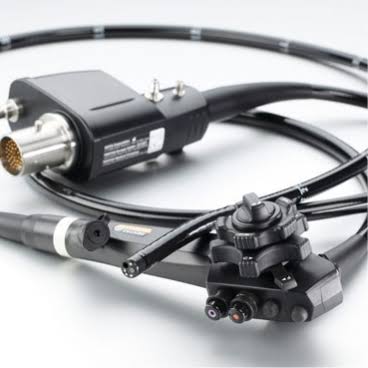
Gastroscopy and Colonoscopy
Gastroscopy and colonoscopy are endoscopic procedures used to examine the gastrointestinal tract in detail. Gastroscopy involves passing a flexible endoscope through the mouth to visualize the esophagus, stomach, and duodenum (the first part of the small intestine). Colonoscopy is performed by inserting a flexible endoscope through the rectum to examine the colon and rectum.
These procedures enable direct visualization of the gastrointestinal lining and support the diagnosis and evaluation of various digestive system disorders. When clinically indicated, tissue samples (biopsies) can be collected from suspicious areas for pathological examination.
Diagnostic and Therapeutic Applications
In addition to their diagnostic role, gastroscopy and colonoscopy allow various therapeutic interventions to be performed during the same procedure when appropriate. These may include:
- Biopsy of suspicious or abnormal tissue
- Removal of colorectal polyps (polypectomy)
- Endoscopic management of gastrointestinal bleeding
- Dilation of narrowed gastrointestinal segments (strictures)
- Placement of gastrointestinal stents when clinically indicated
Through these capabilities, endoscopic procedures provide both diagnostic evaluation and minimally invasive treatment options for selected gastrointestinal conditions.
Patient Preparation
Proper preparation is essential for the safety and effectiveness of endoscopic procedures.
For gastroscopy, patients are generally required to fast for at least six hours before the examination to ensure adequate visualization of the upper gastrointestinal tract.
For colonoscopy, thorough bowel preparation is necessary to allow clear visualization of the colon. Patients are typically advised to follow a specific diet for several days before the procedure and use prescribed bowel-cleansing medication according to the recommended schedule.
Detailed preparation instructions are provided by the treating physician based on the patient's clinical condition, medical history, and planned procedure.



