The electroencephalography (EEG) system used at our hospital is one of the medical devices employed to record the brain's electrical activity. EEG examinations are performed when deemed clinically...
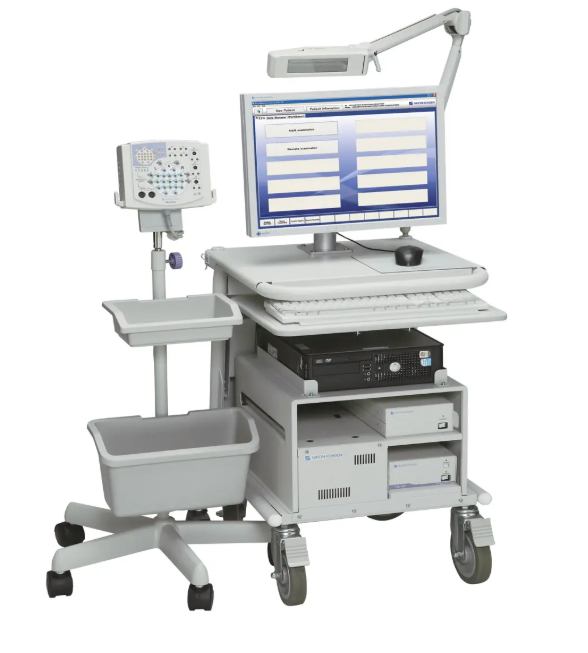
Electroencephalography (EEG)
Electroencephalography (EEG) is a non-invasive diagnostic procedure used to record and evaluate the electrical activity of the brain. During the examination, electrodes placed on the scalp detect and record brain wave patterns, which are subsequently analyzed by a specialist physician in conjunction with the patient's clinical findings and medical history.
EEG Data Acquisition and Analysis
During an EEG examination, electrodes placed on the scalp capture the brain's electrical signals. These signals are digitally recorded and reviewed by a specialist physician to identify patterns or abnormalities that may contribute to the neurological assessment. The findings are interpreted alongside the patient's symptoms, clinical examination, and other relevant diagnostic information.
Digital Recording and Evaluation
Modern EEG systems enable the digital acquisition, storage, and detailed review of brain activity recordings. The examination duration and recording protocol are determined by the responsible specialist physician according to the patient's clinical condition and diagnostic requirements.
Clinical Applications of EEG
EEG examinations may be used as part of the neurological evaluation in the following situations:
- Routine electroencephalography (EEG) examinations
- Sleep EEG studies
- Assessment of brain electrical activity and wave patterns
- Investigation of neurological conditions when clinically indicated
- Neurophysiological evaluation to support the diagnostic process
The decision to perform an EEG examination and determine its scope is made by the responsible specialist physician. EEG findings are evaluated together with the patient's clinical examination and any additional diagnostic investigations considered necessary.



