3D Angiography is an advanced imaging technique that provides detailed three-dimensional views of blood vessels, enabling accurate diagnosis and treatment planning for vascular diseases...
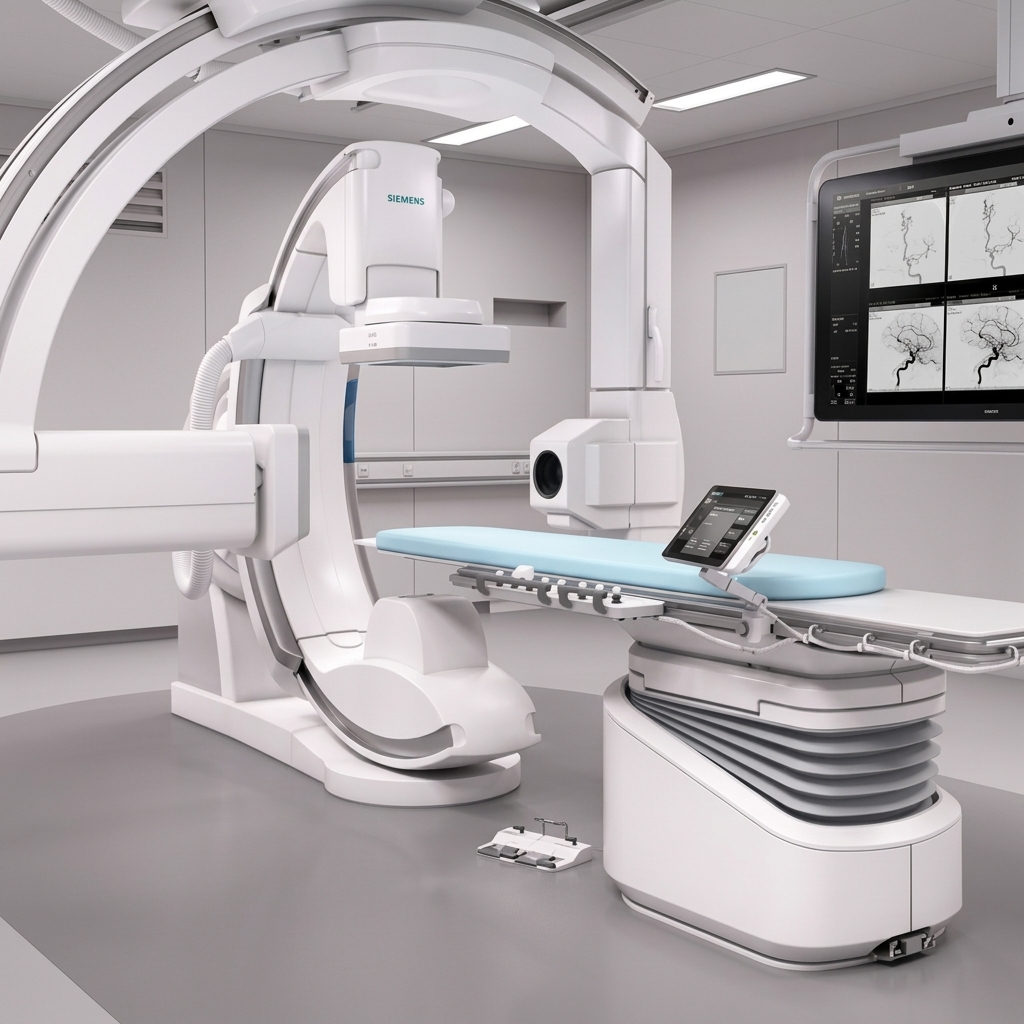
Three-Dimensional Angiography (3D Angiography)
Angiography is an advanced medical imaging technique used to visualize blood vessels and assess the circulatory system. Unlike conventional angiography, which provides two-dimensional images, three-dimensional (3D) angiography offers detailed, multi-angle visualization of vascular structures, allowing physicians to evaluate vascular anatomy with greater precision.
Advanced 3D Vascular Imaging
Three-dimensional angiography enables detailed visualization of blood vessels from multiple angles, providing comprehensive anatomical information. This advanced imaging technology helps physicians identify vascular abnormalities, assess complex vascular structures, and make informed decisions regarding diagnosis and treatment planning.
Integrated Diagnosis and Treatment
Modern angiography systems combine advanced vascular imaging with minimally invasive interventional capabilities. When clinically indicated, physicians can perform diagnostic and therapeutic procedures during the same session, allowing certain vascular conditions to be treated through image-guided interventions without the need for conventional open surgery.
Benefits of 3D Angiography
- High-resolution three-dimensional visualization of vascular structures
- Detailed assessment of complex vascular anatomy
- Improved diagnostic accuracy and treatment planning
- Support for minimally invasive, image-guided vascular interventions
- Real-time visualization during diagnostic and therapeutic procedures
The decision to perform angiography and any associated interventional procedures is made by the treating specialist based on the patient's clinical condition, diagnostic findings, and individual treatment requirements.



