PET/CT is an advanced hybrid imaging technology that combines metabolic and anatomical imaging to detect, diagnose, stage, and monitor diseases, especially cancer, with high accuracy...
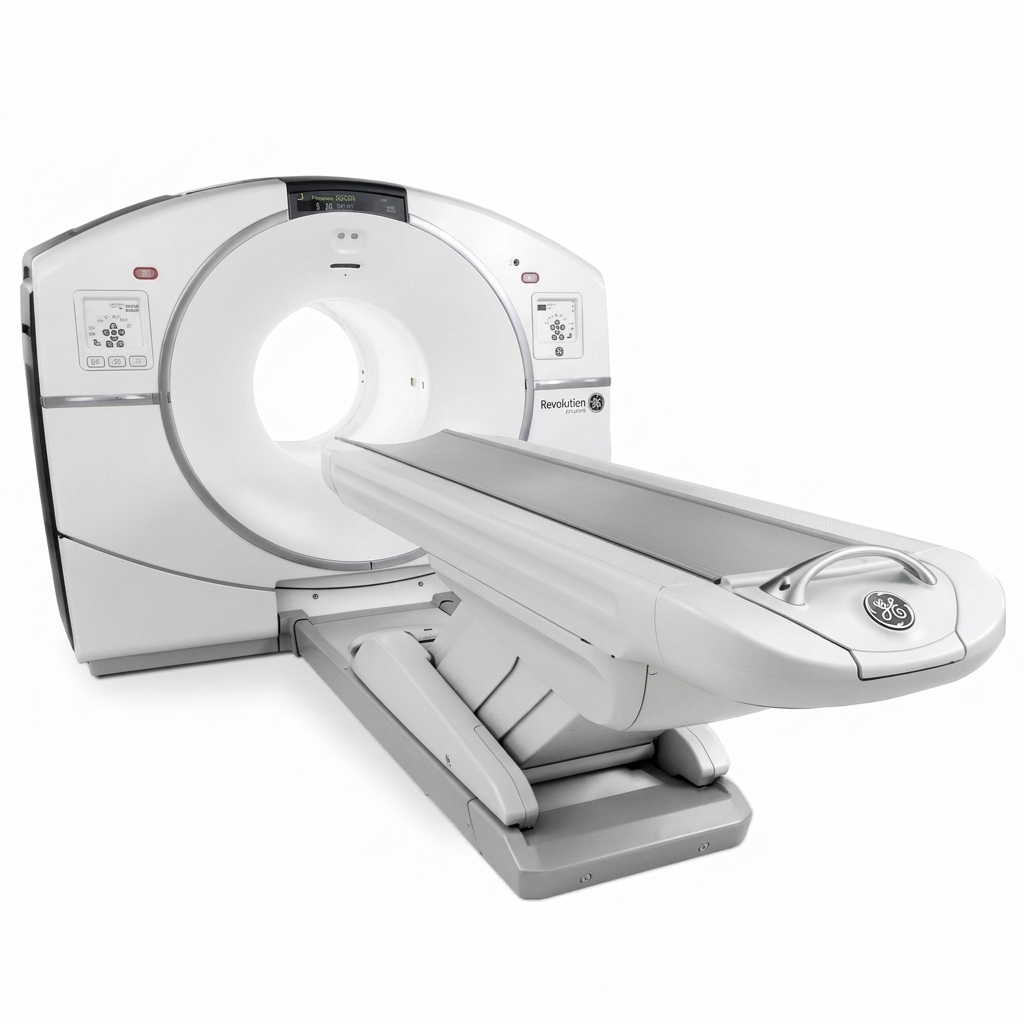
Positron Emission Tomography–Computed Tomography (PET/CT)
Positron Emission Tomography–Computed Tomography (PET/CT) combines the functional imaging capabilities of positron emission tomography (PET) with the detailed anatomical information provided by computed tomography (CT). This integrated technology produces three-dimensional images that help physicians evaluate the metabolic activity and structural characteristics of tissues and organs.
Clinical Applications
PET/CT is widely used in oncology for the diagnosis, staging, treatment planning, and follow-up of many types of cancer. Depending on the clinical indication, PET/CT may help physicians with:
- Detecting primary tumors
- Determining the extent of disease (staging)
- Identifying metastatic disease
- Planning radiation therapy
- Evaluating treatment response
- Detecting disease recurrence during follow-up
- Characterizing selected lesions in conjunction with other clinical findings
PET/CT is commonly used in the evaluation of:
- Lung cancer
- Breast cancer
- Lymphoma
- Gynecologic cancers
- Colorectal cancer
- Other malignancies when clinically indicated
How PET/CT Works
PET/CT uses a radiopharmaceutical, most commonly a radiolabeled glucose analogue, which is administered intravenously before the examination. Because many types of cancer cells have increased glucose metabolism, the radiotracer may accumulate in areas of increased metabolic activity.
The PET scanner detects the distribution of the radiotracer, while the CT component provides precise anatomical localization. This enables physicians to correlate metabolic findings with structural images.
Whole-body imaging also allows assessment for possible metastatic disease and may help identify the primary site of cancer in selected patients with metastatic disease of unknown origin.
Additional Clinical Applications
In addition to oncology, PET/CT may also be used to evaluate selected neurological and cardiac conditions, including:
- Evaluation of epilepsy to help localize the seizure focus
- Assessment of certain neurodegenerative disorders, including selected cases of Alzheimer's disease
- Evaluation of myocardial viability following myocardial infarction in appropriate patients
The decision to perform a PET/CT examination and the interpretation of its findings are made by a nuclear medicine specialist, taking into account the patient's medical history, clinical examination, and other diagnostic investigations.



