Gamma Knife is an advanced, non-invasive radiosurgery technology that uses precisely focused radiation beams to treat brain tumors, vascular malformations, and other neurological conditions with high...
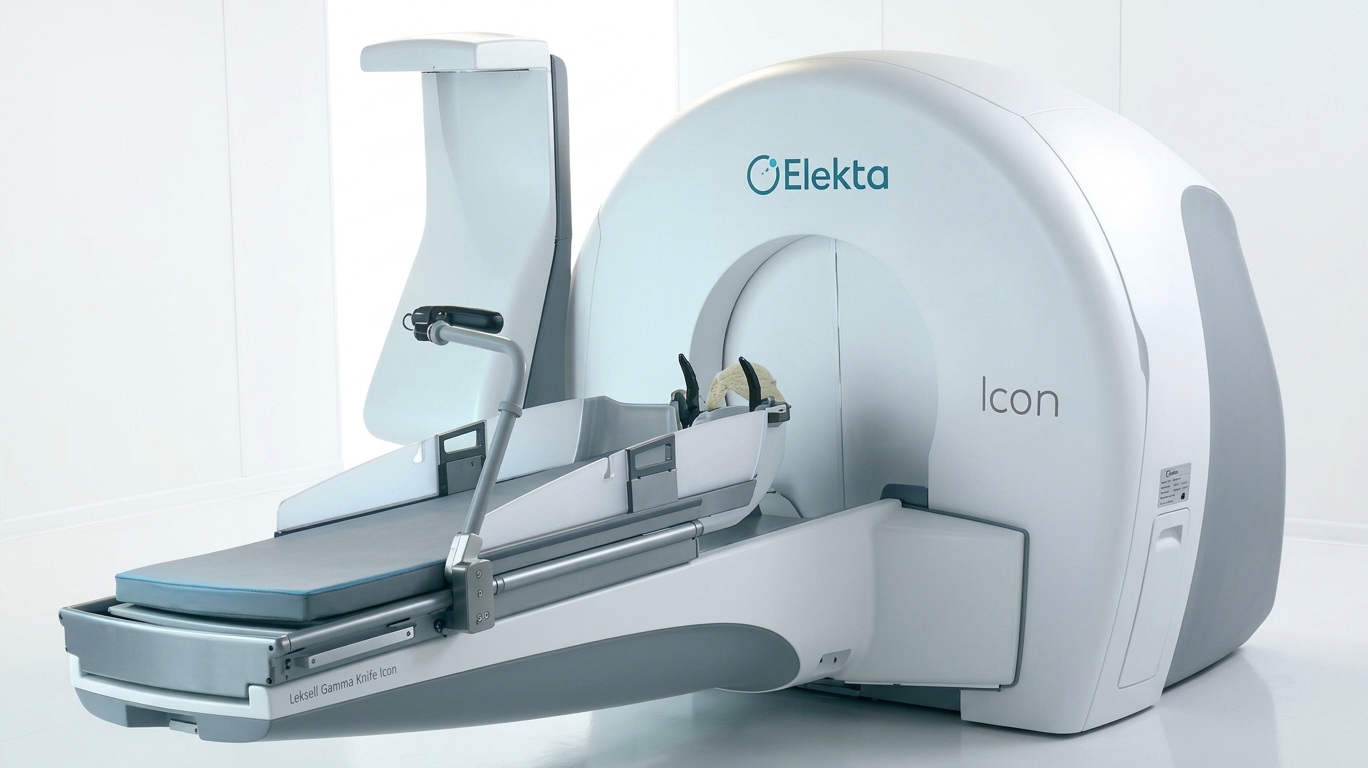
What Is Gamma Knife Radiosurgery? Gamma Knife is a stereotactic radiosurgery system designed to deliver highly focused radiation to precisely identified targets within the brain. The treatment works by directing multiple beams of gamma radiation from different angles so that they converge at a single predetermined point. Individually, each beam carries a radiation dose that has minimal effect on the surrounding healthy brain tissue, while the combined beams deliver a therapeutic dose to the target area. Unlike conventional external beam radiation therapy, Gamma Knife radiosurgery is typically completed in a single treatment session. It is a non-invasive procedure that does not require a surgical incision or opening of the skull. Gamma Knife may be considered for selected patients with intracranial tumors, vascular malformations, and certain functional neurological disorders, particularly when conventional open brain surgery is not feasible or is associated with increased surgical risk. The suitability of treatment is determined individually by the treating specialist based on the patient's diagnosis, imaging findings, and overall clinical condition.
Gamma Knife Treatment Process
The precision of Gamma Knife radiosurgery depends on the accuracy of the treatment system and the imaging techniques used to identify the target within the brain. To ensure highly accurate treatment delivery, a stereotactic head frame is attached to the patient's head. This frame enables the precise localization of the target while keeping the patient's head completely immobilized throughout the procedure.
On the day of treatment, patients typically arrive at the hospital after having a light breakfast. The stereotactic frame is usually applied in approximately 10 minutes, with local anesthetic administered at the attachment sites to minimize discomfort. Once the frame has been securely positioned, diagnostic imaging is performed to accurately define the treatment target.
Following image acquisition, an individualized treatment plan is prepared. The patient is then comfortably positioned on the Gamma Knife treatment unit, and the procedure is explained before treatment begins. During treatment, the patient is gradually moved into the system while highly focused radiation beams are precisely directed at the predetermined target.
Once treatment is complete, the patient is removed from the system, the stereotactic frame is taken off, and the patient is monitored for a short observation period.
Clinical Applications of Gamma Knife
Gamma Knife radiosurgery may be considered for selected patients with various intracranial conditions, including:
- Benign brain tumors, such as meningiomas, pituitary adenomas, and vestibular schwannomas (acoustic neuromas)
- Malignant brain tumors, including brain metastases and selected gliomas
- Arteriovenous malformations (AVMs)
- Trigeminal neuralgia
- Selected functional neurological disorders, including certain cases of Parkinson's disease and epilepsy, when clinically appropriate
The suitability of Gamma Knife treatment is assessed individually by a multidisciplinary team, taking into account the patient's diagnosis, imaging findings, and overall clinical condition.
Advantages of Gamma Knife Radiosurgery
Gamma Knife is a non-invasive form of stereotactic radiosurgery that targets specific areas without requiring a surgical incision or opening of the skull. Potential advantages include:
- No cranial incision
- No general anesthesia in most cases
- High-precision radiation delivery to the planned target
- Minimal impact on surrounding healthy tissue
- Short hospital stay, with many patients discharged within 24 hours
- Rapid return to normal daily activities for many patients
-An alternative treatment option for selected patients who may not be suitable candidates for conventional open brain surgery
As with all medical treatments, expected outcomes, potential benefits, and possible risks vary depending on the patient's individual condition. Treatment planning and eligibility are determined by the treating neurosurgeon and radiation oncology team.



