


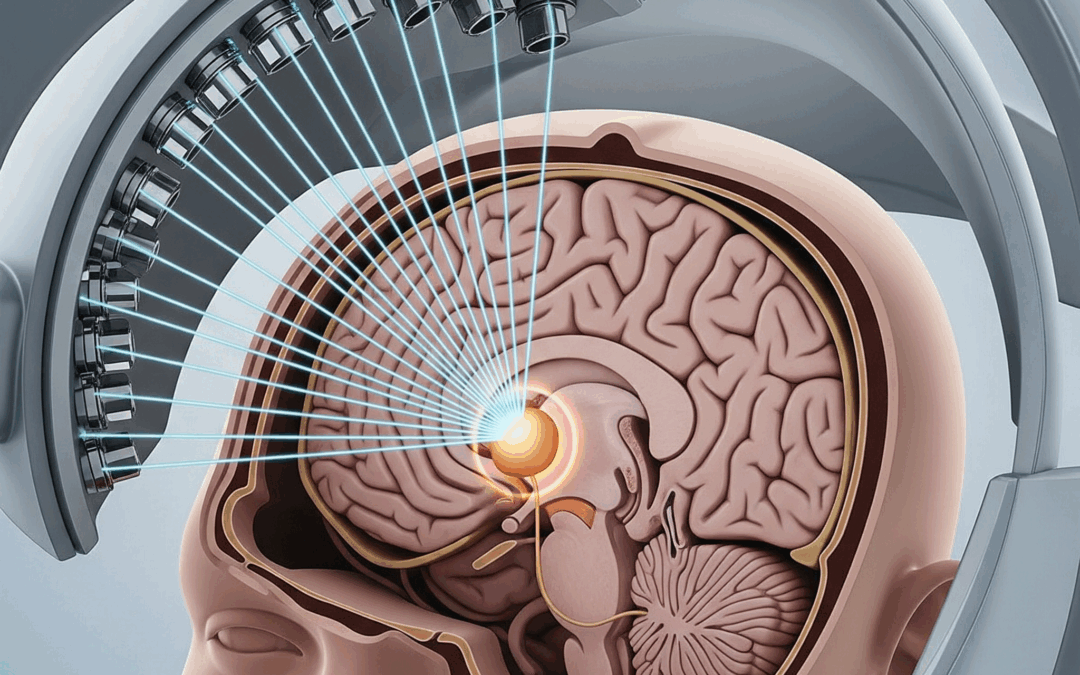
What is Gamma Knife? What Diseases Is It Used For? Gamma Knife is an advanced radiosurgical treatment method used in the management of brain disorders. Although its name includes the word “knife,” no surgical incision is made. The targeted tissue is treated using highly precise gamma radiation beams while surrounding healthy tissues are largely protected. How Does Gamma Knife Work? The Gamma Knife system works by combining multiple low-dose gamma radiation beams delivered from different angles at a single target point. In this way, a high radiation dose is focused only on the targeted area, while the surrounding healthy brain tissue is minimally affected. The procedure is painless and is usually completed in a single session. Which Diseases Can Be Treated with Gamma Knife? Gamma Knife may be used in the treatment of: • Benign and malignant brain tumors • Brain metastases • Arteriovenous malformations (AVM) • Trigeminal neuralgia • Pituitary gland tumors Advantages of Gamma Knife Treatment • Does not require surgical incision • Hospital stay is usually not required or is very short • Provides a rapid recovery process • Helps protect healthy brain tissue • Lower risk of complications compared with open surgery Who Is Suitable for Gamma Knife Treatment? Gamma Knife can be an effective treatment option, particularly for lesions located in difficult-to-reach areas of the brain or in cases where open surgery carries significant risks. However, it may not be suitable for every patient. The treatment decision is made following evaluation by neurosurgery specialists and other relevant medical departments. Conclusion Gamma Knife is a safe, precise, and effective radiosurgical method used in the treatment of brain disorders. It provides an important alternative for patients who are not suitable candidates for conventional surgery and stands among the leading technologies of modern medicine with its short recovery period and high treatment precision.