Retinopathy of Prematurity (ROP) is an eye condition that may develop in premature infants due to disruption of the normal development of retinal blood vessels. Early diagnosis and regular follow-up...
Book Appointment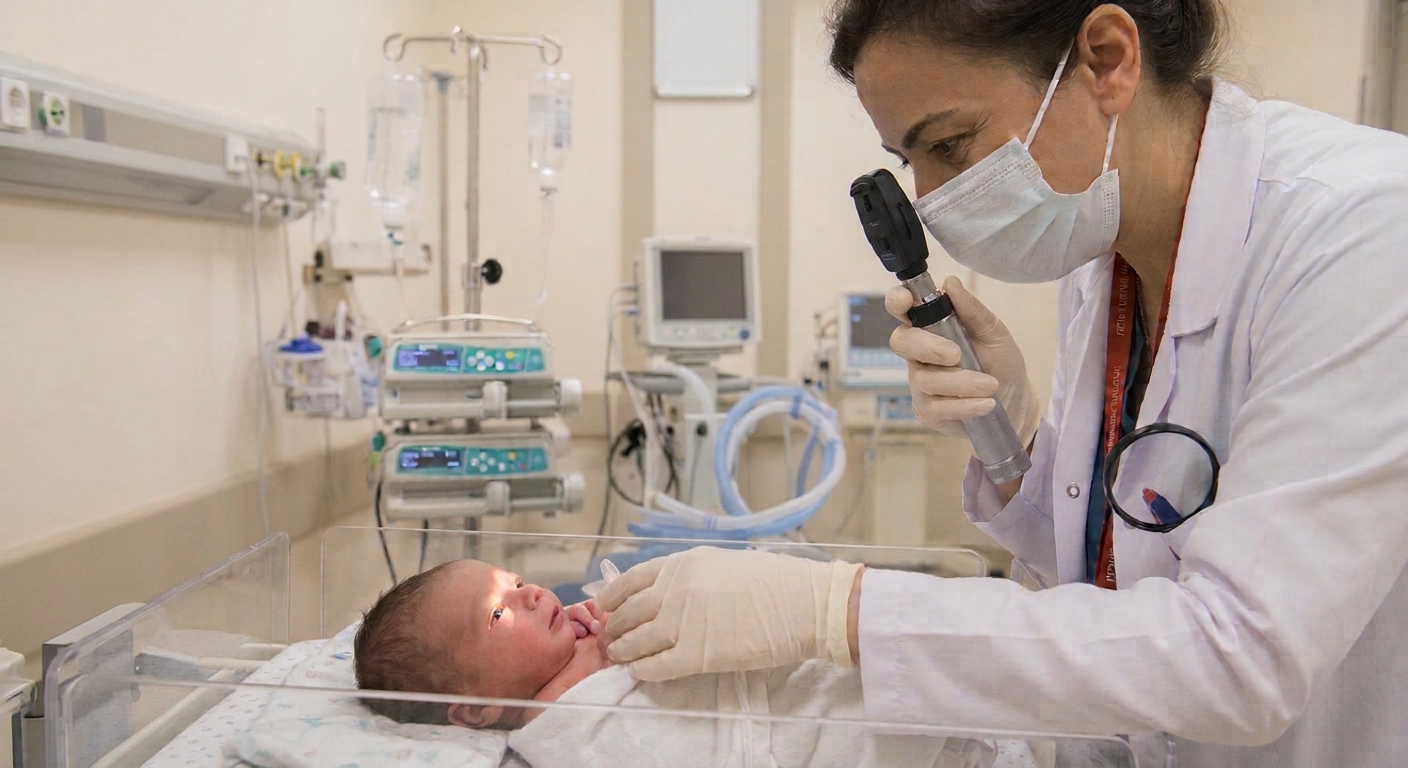
ROP Screening (Retinopathy of Prematurity): Importance and Screening Process
Retinopathy of Prematurity (ROP) is an eye condition that can develop in premature infants due to abnormal retinal blood vessel development. Early diagnosis and regular follow-up are essential to help prevent serious complications, including vision loss.
Why Is ROP Screening Important?
In premature infants, retinal blood vessel development continues after birth. Detecting abnormalities in this process at an early stage allows for appropriate monitoring and timely treatment planning. Regular ROP examinations enable specialists to monitor disease progression and provide prompt intervention whenever necessary.
ROP Diagnosis and Follow-Up
At our center, ROP screenings are performed by experienced ophthalmologists using appropriate examination techniques. During the examination:
- Retinal development is evaluated.
- The presence and severity of ROP are assessed.
- Appropriate follow-up intervals are determined.
- Treatment options are considered when clinically indicated.
Who Should Undergo ROP Screening?
ROP screening is particularly recommended for:
- Premature infants
- Infants with low birth weight
- Infants considered at risk by a neonatologist
The timing of the initial screening is determined by the ophthalmologist based on the infant's gestational age, birth weight, and overall clinical condition.
Family Education and Support
The ROP follow-up period is an important time for families. At our center, parents receive detailed information about examination findings, follow-up schedules, and available treatment options whenever necessary.
Supporting the Vision Health of Premature Infants
At our Retinopathy of Prematurity (ROP) Screening Center, we are committed to protecting the visual development of premature infants through early detection, regular follow-up, and a multidisciplinary approach. Our goal is to provide safe, comprehensive, and high-quality eye care for every infant at risk.